No Invitations Sent
No invitations went out for Azzedine Alaïa's fall/winter 1990 ready-to-wear show. No formal announcement either. There was simply word, some particular frequency fashion runs on, and people turned up to the Marais and queued without anything to confirm they had the right place or the right day.
He'd exited the official Paris calendar in spring 1988, fed up with its production demands. Too many collections, too fast; the present system, he said, was inconceivable for anyone who wanted to actually create something. By 1990 this was two years settled. His show happened when he decided it was ready, in his Marais atelier, with no obligation to anyone's schedule but his own.
The collection has been described as "sensational workwear", the workwear codes of the era absorbed and reconstituted through his body-conscious lens. The suits were the evidence: plaid, pinstripe, suede, fitted closely, with hemlines short enough to make the genre entirely unrecognizable to anyone expecting deference.
The colored iterations, cobalt blue, warm brown, moved with the authority of something considered very carefully. Structured, gloved, finished. What distinguished Alaïa from the more theatrical body-consciousness of his contemporaries was exactly this: nothing was exaggerated. The precision was the argument.
Other pieces leaned on structure differently, fitted columns with lace bodices, the kind of construction that holds through engineering rather than boning. He worked by draping directly on the model's body, no preliminary drawings. Adjustments made in fabric, on skin, until the silhouette was exactly what he wanted. Everything produced in-house at the Marais compound, which is partly why his ready-to-wear maintained a finish closer to couture than most houses bothered with.
Then there were the lace dresses. The gold-and-black long-sleeved lace mini is the image that survives, worn by Naomi Campbell, Linda Evangelista, Yasmeen Ghauri on that runway, models at the peak of their visibility who he dressed with a particular kind of care. Campbell had lived in his house as a teenager. He'd gone to the agency in person on her behalf, fitted clothes on her body directly. The relationship was not incidental to the clothes. It was structural.
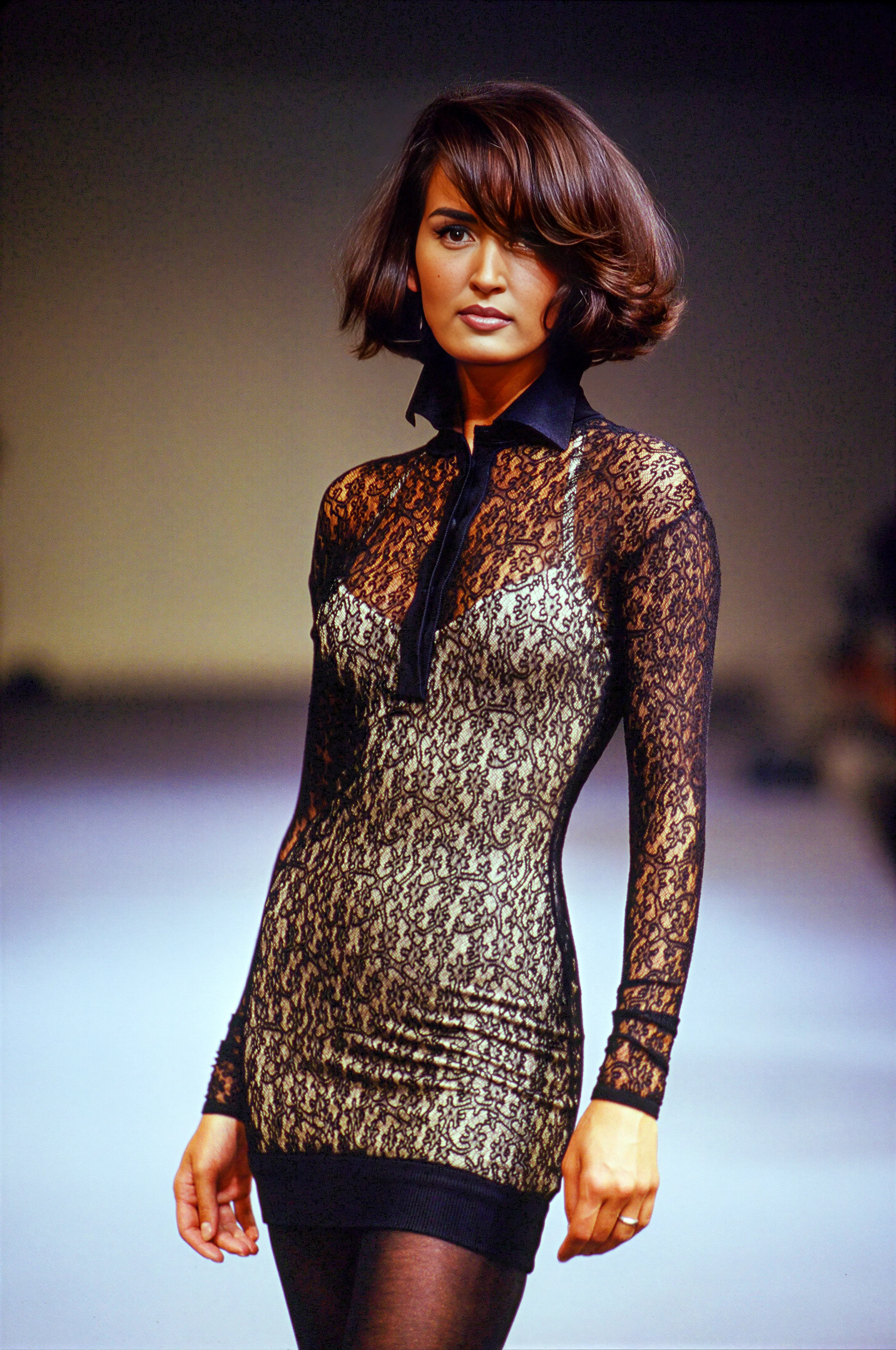
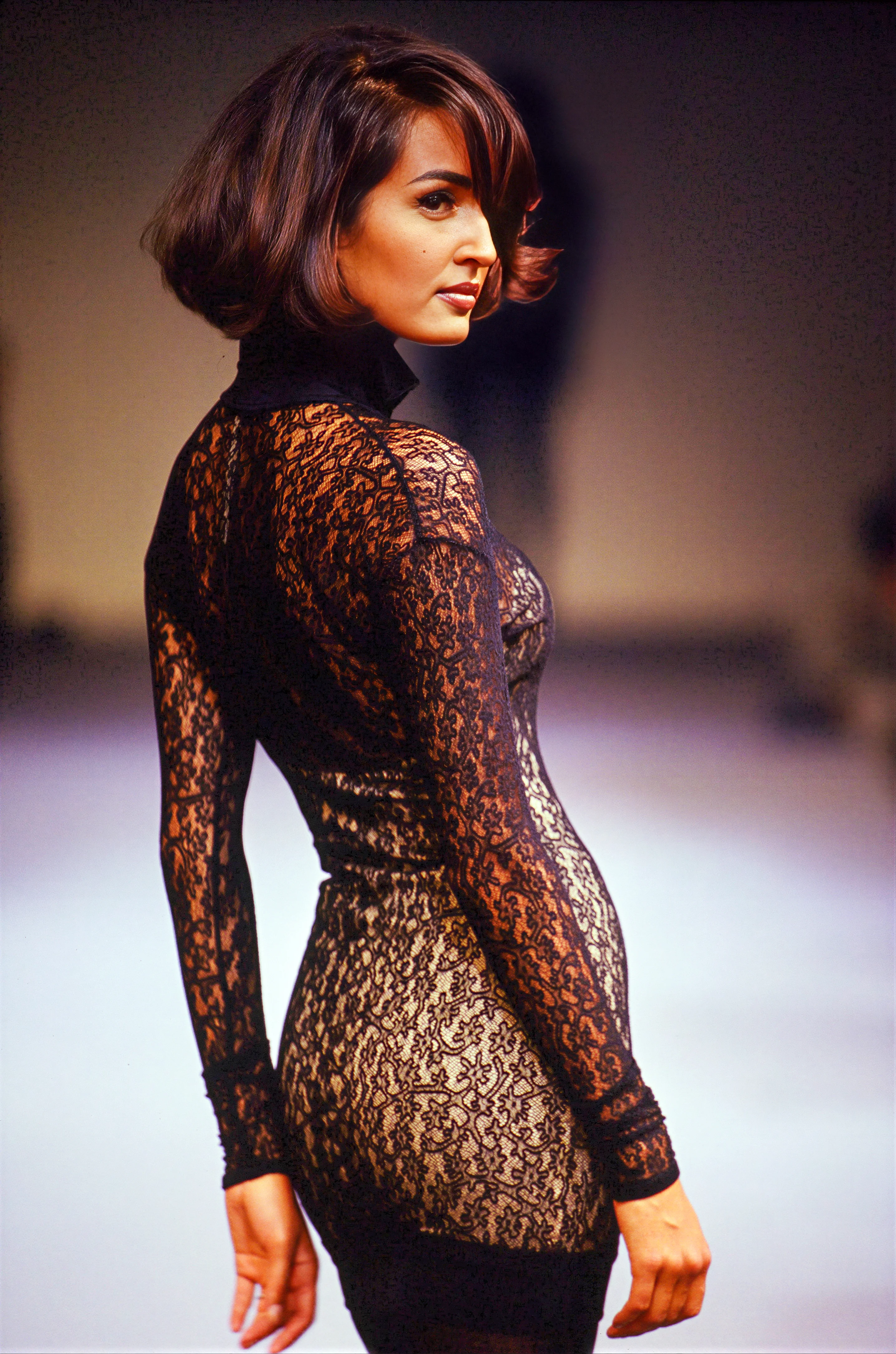
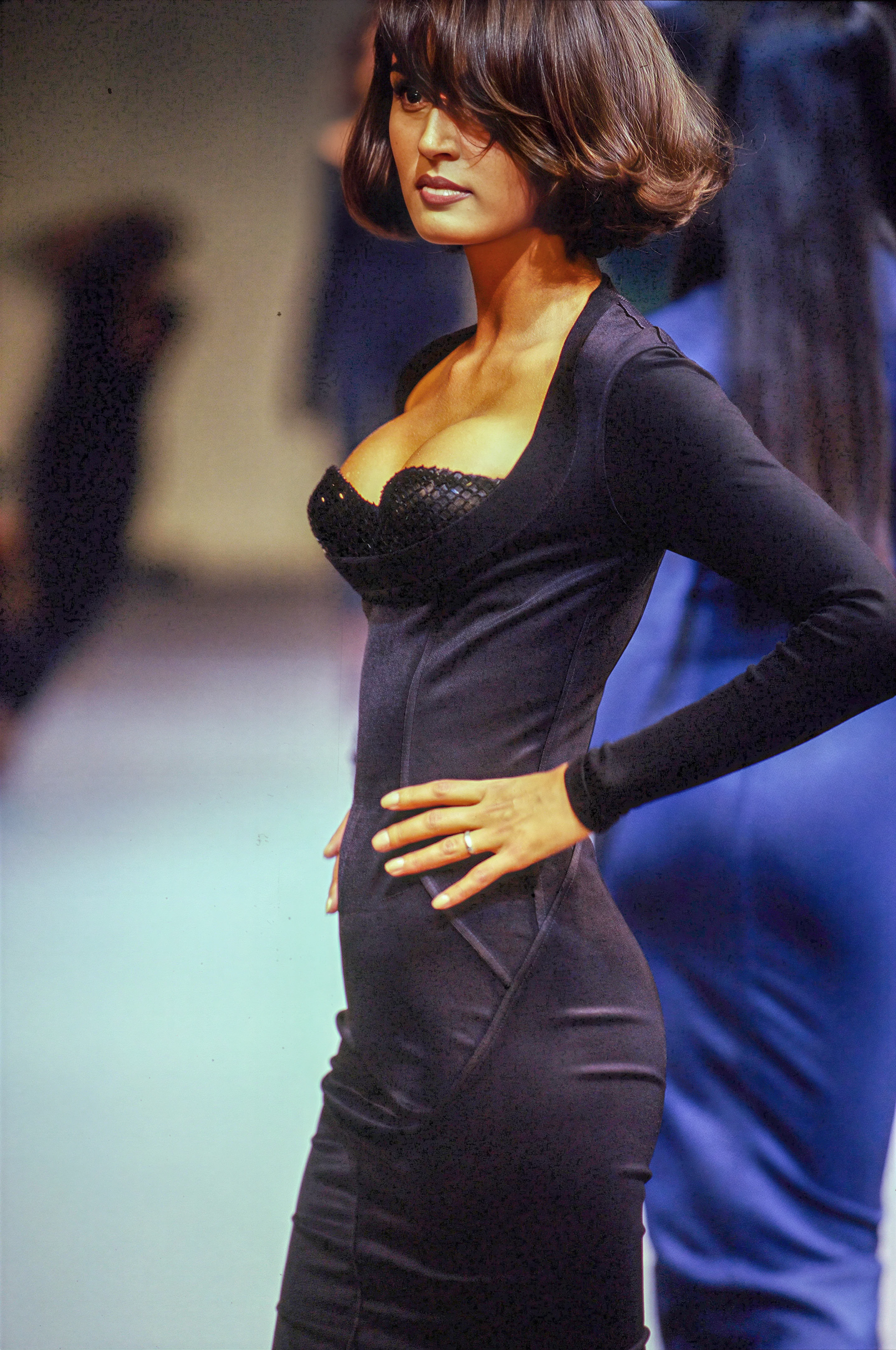
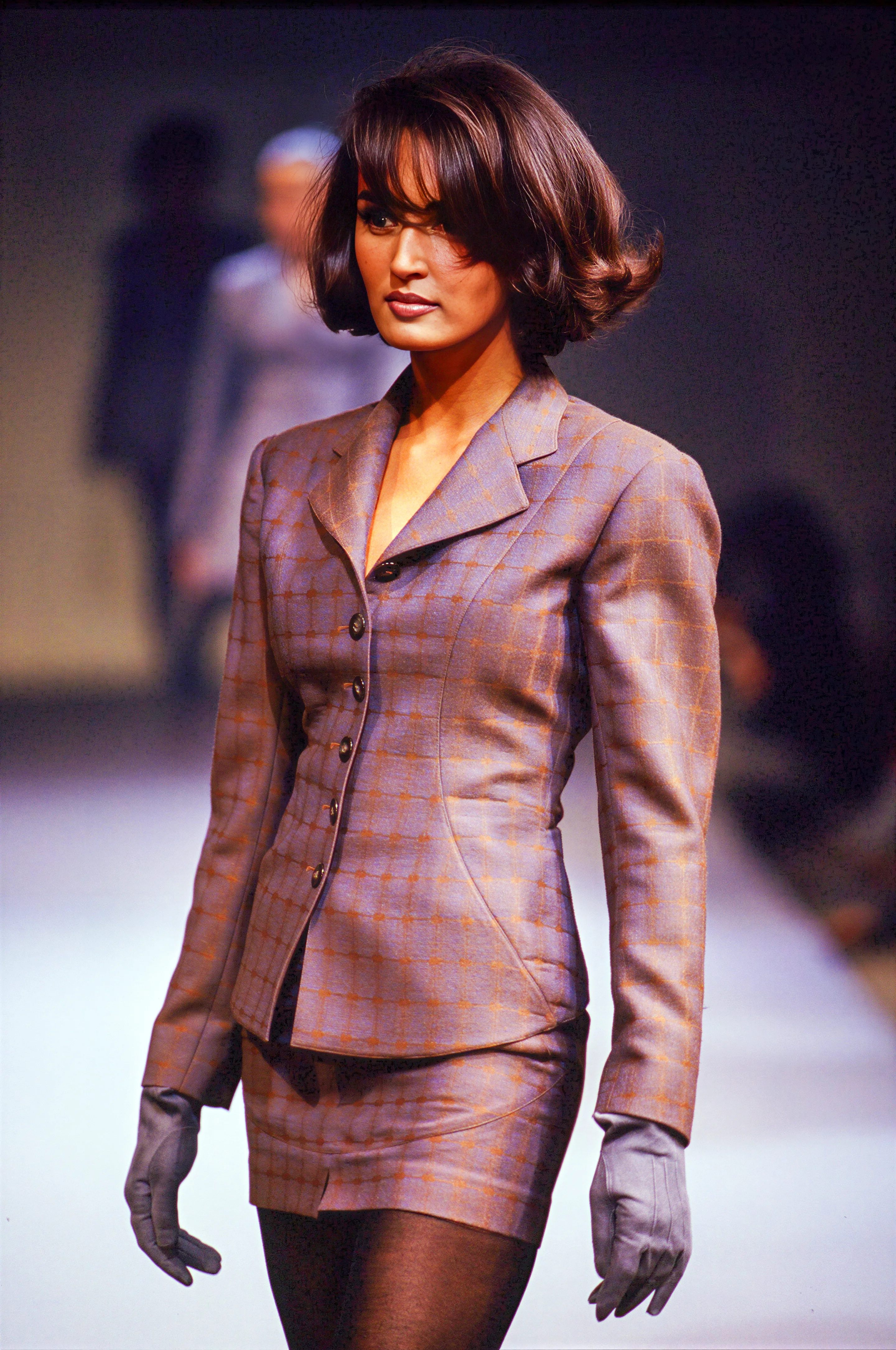
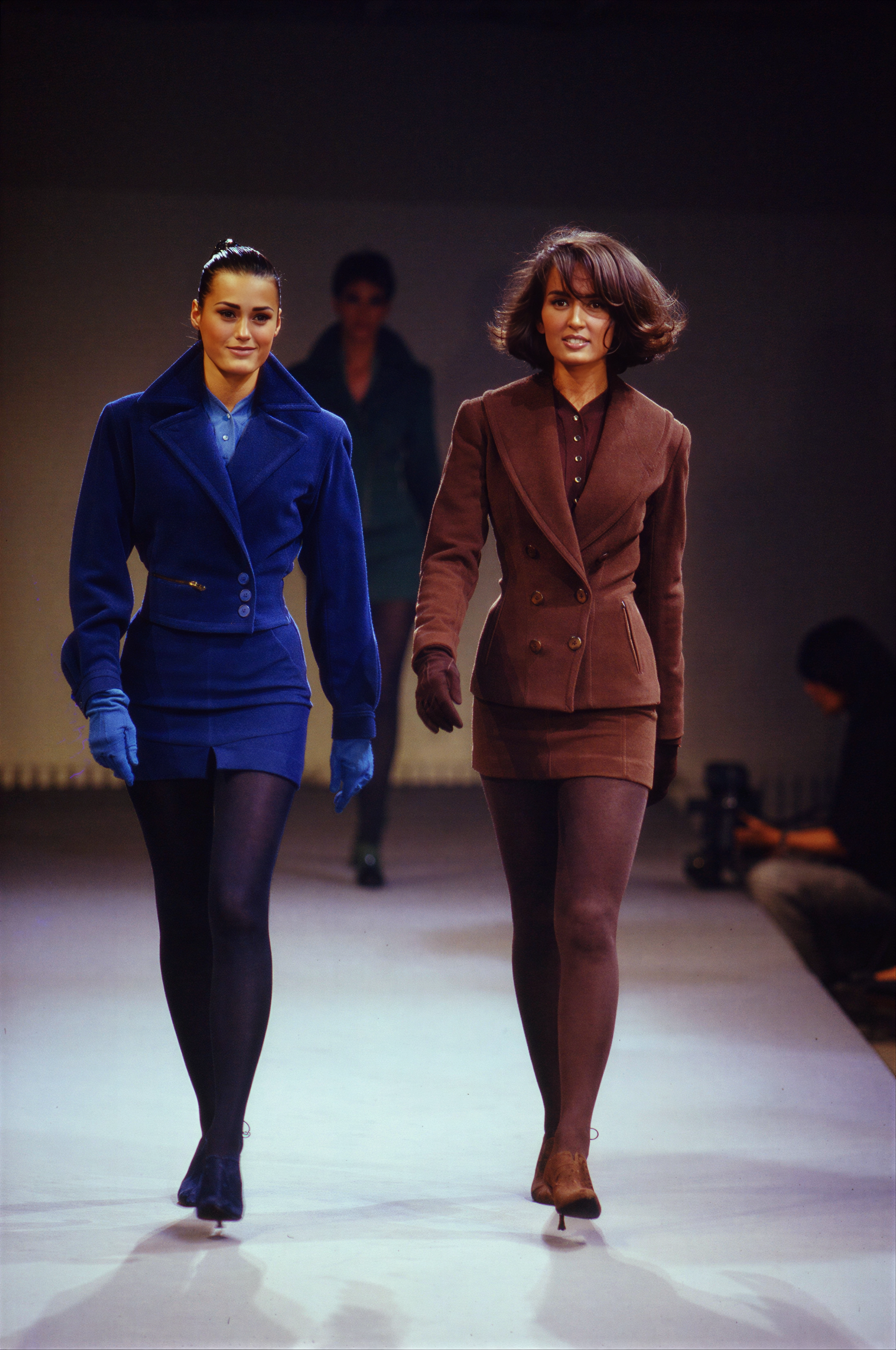
Suzy Menkes, covering him through this period, wrote that his body-conscious work "seemed a deliberate challenge, throwing down a sexist gauntlet in a feminist world." I'm not sure that framing captures it fully. What you feel in these images isn't provocation , it's attention. Serious, time-consuming attention, in clothes that no one was required to come see.
They came anyway.
Sources:
- Sensational Workwear: Alaïa Fall 1990 - Ayerhs Magazine
Filed under Azzedine Alaïa
This post is timestamped using Blockchain technology. Verify