Colour Blocking Before It Had a Name
Nobody called it colour blocking in the mid-90s. The term wouldn’t enter mainstream fashion vocabulary until the 2010s, when every high-street brand suddenly rediscovered the idea and pretended it was new. But the technique was already everywhere in editorial work from that era — panels of saturated colour cut against each other, no print, no pattern, just geometry and conviction.
The appeal was partly material. Knit fabrics in the early to mid-90s had a density that made flat colour sing. Not the tissue-thin polyester blends that dominate now, but something with actual body. A magenta sleeve held its shape. A cobalt collar sat where it was supposed to sit. The garments had a sculptural quality that depended entirely on the fabric doing its job, because there was nothing else to hide behind — no logo, no embellishment, no distraction.
I think what made this particular moment work was the contrast between the boldness of the colour and the restraint of everything else. Hair was undone. Makeup was minimal, or at least suggested minimal. The backgrounds were plain. All the visual energy went into those intersecting fields of red and yellow and blue, and it was enough. More than enough. The clothes didn’t compete with the person wearing them so much as amplify something already there.
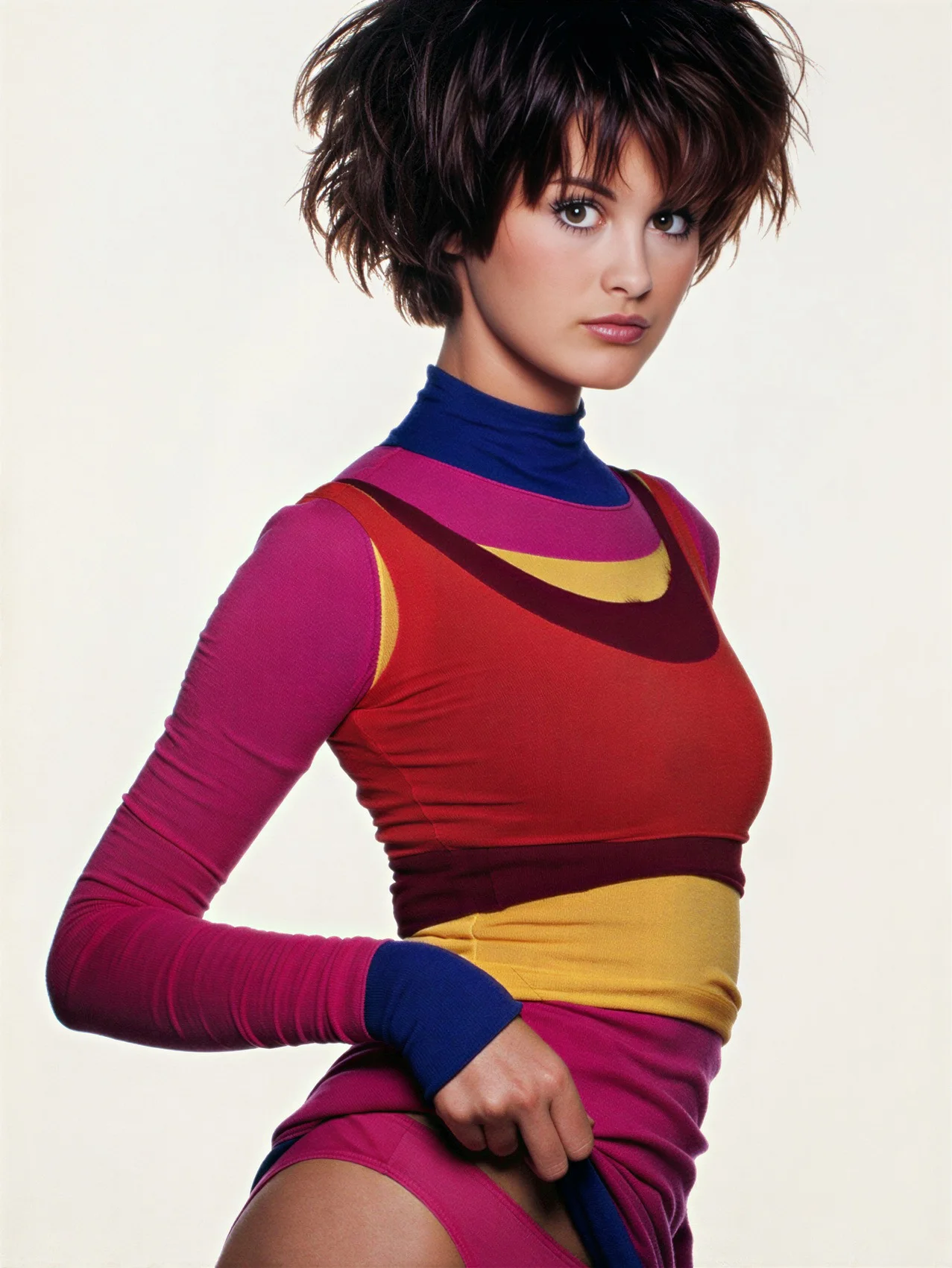
Colour blocking came back around 2011 courtesy of Celine and then immediately got flattened by fast fashion into something cheaper and louder. The proportions were wrong. The fabrics were wrong. What had been confident became garish because confidence doesn’t survive mass production — it’s the first thing to go when you’re cutting corners on a factory floor in Dhaka. The shapes stayed roughly the same but the feeling evaporated entirely. A mustard panel against magenta only works if the mustard is the right mustard, and the right mustard costs more than most brands are willing to spend.
I’ve been listening to a lot of Seefeel lately, which has nothing to do with fashion except that it shares the same mid-90s conviction that less information, delivered precisely, beats more information delivered carelessly.
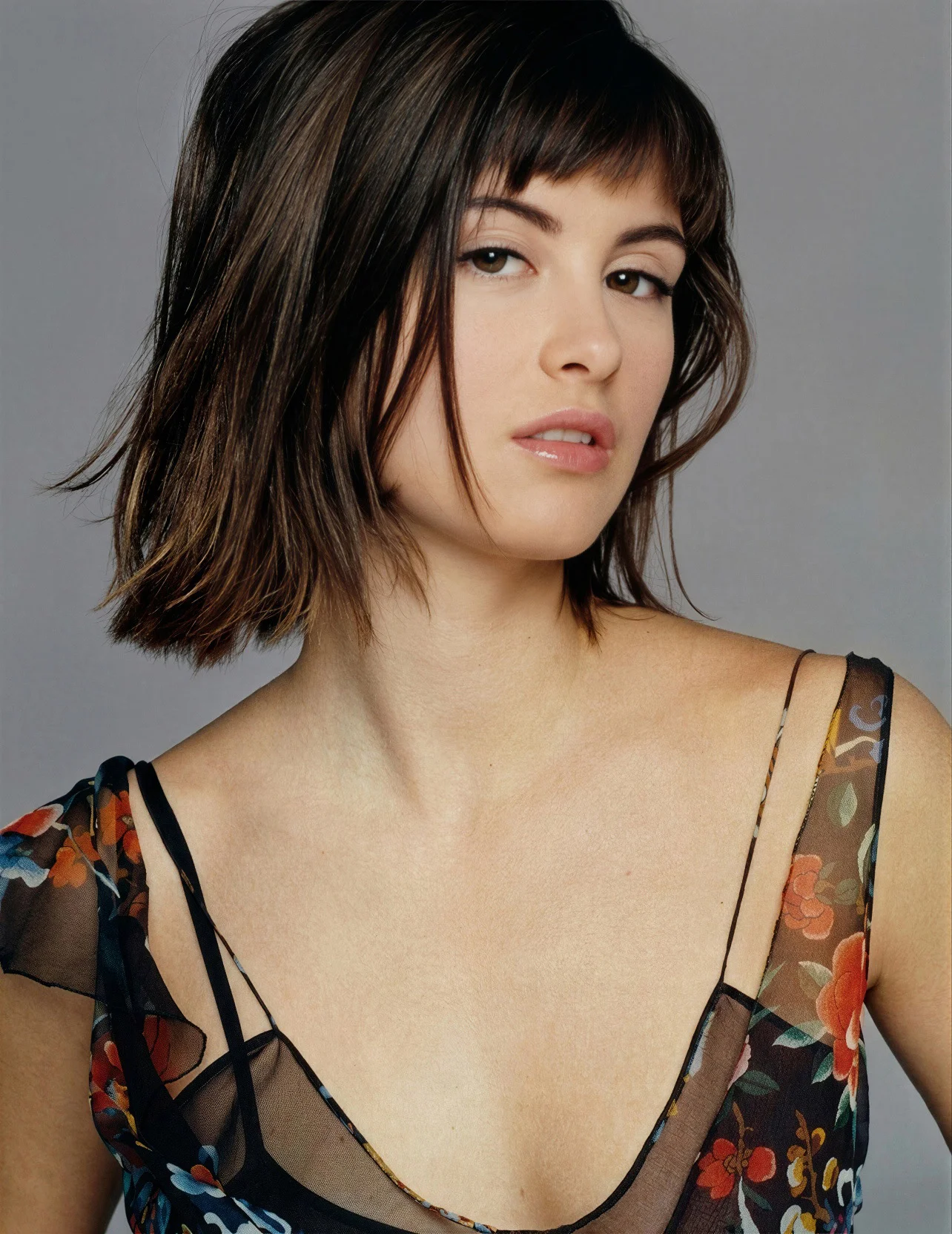
The irony is that the original editorial pieces from this period are now harder to find than vintage couture. Nobody archived knitwear. It pilled, it stretched, it got donated. The photographs survive but the objects don’t, which gives the whole aesthetic a slightly ghostly quality — a different frame, a different dress, the same steady gaze — colour so vivid it feels permanent, attached to garments that were anything but.
This post is timestamped using Blockchain technology. Verify