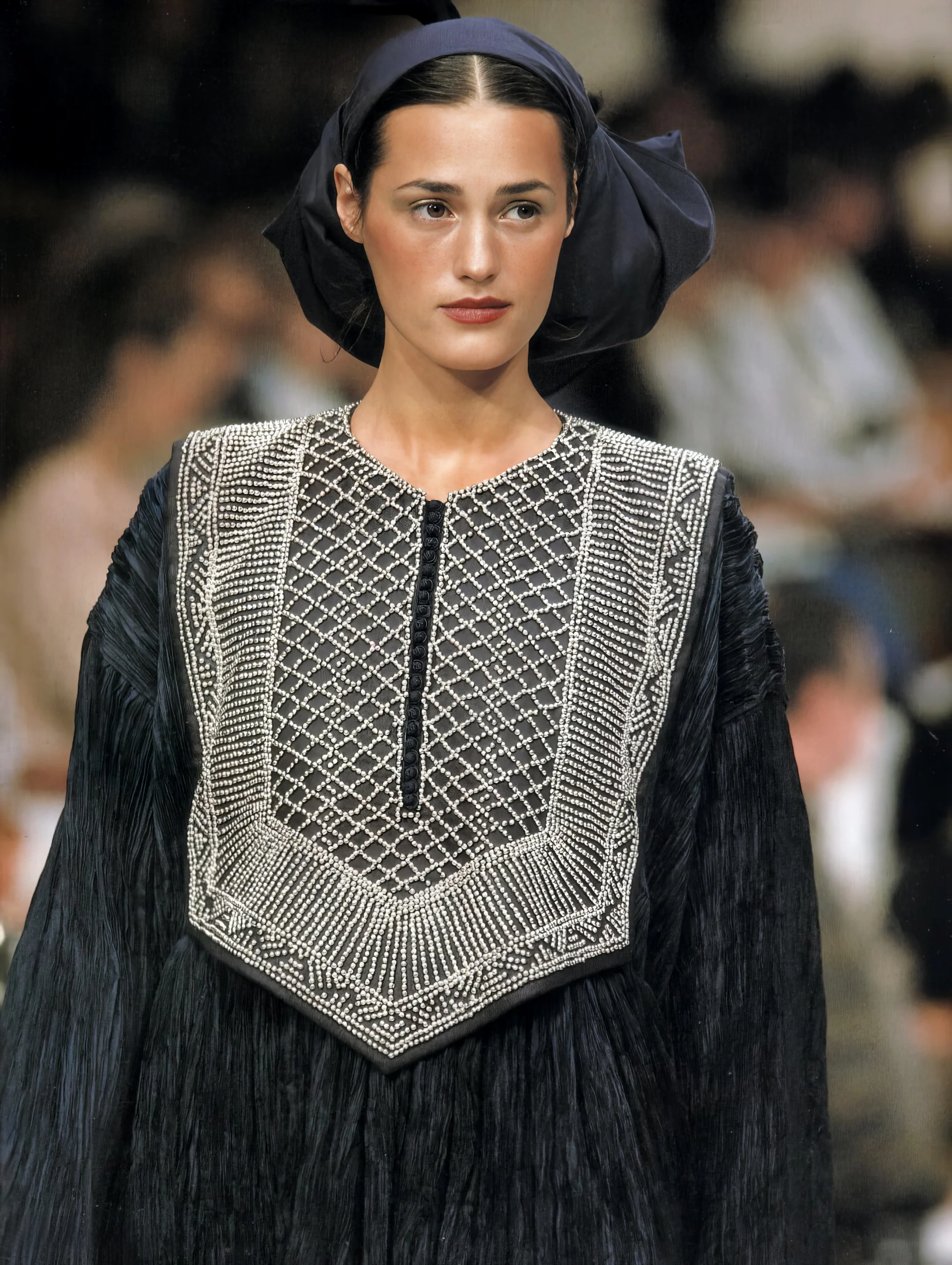
There are moments when I realise, with a kind of cold clarity, that entire
worlds I once lived in have vanished. The world of 1990 (its atmosphere, its
colours, its sounds, the way people moved and dressed and expected the future to
unfold) no longer exists in any living form. And even if I had infinite wealth,
every resource ever generated, I still couldn’t return to that world, which is
the part that unsettles me. Money can build cities and resurrect
brands, but it cannot reconstruct a moment in time. That truth forces me to
confront the one boundary I can never cross: time moves forward, and nothing I
do can stop it.
When I acknowledge this, I feel how little control I have over the passage of
years. I can shape my choices, my surroundings, my routines, but I cannot keep
the world from changing, nor can I reopen the doors that have closed behind me.
Understanding that the world of a particular year, especially one that shaped
me, has disappeared completely is more than historical awareness. It is an
encounter with my own mortality. The past doesn’t fade softly; it drops into an
unreachable dimension, sealed off from the present no matter how vividly I
remember it.
The loss is sharp because I didn’t merely observe that world — I
lived inside it. I breathed its air without knowing how temporary it was. I
walked streets and listened to music that felt utterly normal at the time, as if
they would always be there. When I think back to 1990 now, I’m not just
remembering a culture; I’m remembering myself. The person I was then, with that
particular set of hopes, perceptions, and innocence, is just as unreachable as
the era itself. Letting that sink in brings a kind of grief I didn’t expect to
carry into adulthood.
The recent past feels especially cruel in this way. It’s close enough that I can
recall it in detail (the fashion, the fragrances, the texture of daylight, the
sound of particular voices), yet it remains impossibly far. A vanished world is
not like a missing object; I can’t replace it or recover it. Its nearness makes
the loss sharper, not softer. The past begins to feel almost autonomous, as if
it exists independently of me, watching from a distance I cannot cross. I reach
for it, but it has slipped into another realm where I cannot follow.
And yet, the fact that I feel this so strongly tells me something important
about myself. I was present in my own life. I noticed things. I absorbed the
world as it existed then, and it left an imprint that still lives in me. The
emotional weight I feel now isn’t a flaw; it’s evidence that those years
mattered. Even though I can never go back, my memory holds what time has taken,
and that is its own kind of survival. The world of 1990 is gone forever, but the
fact that I mourn it means I truly lived through it — and that, in its own way,
is a form of meaning that time cannot erase.